




Yes, many steel and concrete lintels require temporary propping during installation to prevent rotation or sagging before the mortar cures. Props should generally be placed at maximum 1200mm to 1500mm centres. Always check the manufacturer guidelines for your specific support.
Structural Lintels for Windows and Doors
A lintel provides essential structural support across wall openings, ensuring the weight from above is safely distributed down through the masonry. Available in various formats, the selection includes robust concrete and galvanised steel options, each suited to different structural requirements. These load-bearing beams sit directly above windows, doorways, and structural alterations, preventing the masonry from sagging or collapsing. When building or extending, these components work alongside concrete blocks to create a stable, continuous wall structure, allowing the surrounding blockwork to be laid securely above the void.
Selecting the right support involves considering the load, the span of the opening, and the surrounding environment. Steel options often feature a cavity tray profile to manage moisture within cavity walls, while concrete variants provide excellent fire resistance and sound insulation. During installation, it is crucial to embed the ends properly onto the supporting walls. A bed of mortar made with sand, cement & aggregates creates a level bearing surface, ensuring the weight is distributed evenly without creating stress points. Many options comply with current building regulations and standards such as BS EN 845-2, meaning they meet strict requirements for load-bearing capacity and durability. Their straightforward design promotes ease of installation and versatility across various masonry types.
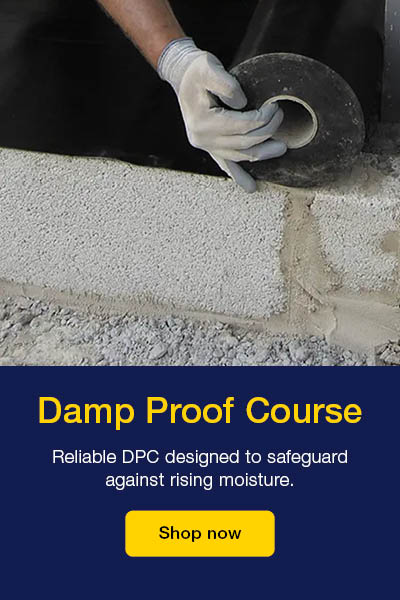
Moisture management is a critical aspect of installing structural supports over external openings. To prevent water ingress from compromising the structural integrity or causing damp issues internally, a damp proof course is typically integrated directly above the support. This directs any moisture that penetrates the outer brickwork outward through weep holes, keeping the inner cavity dry. By combining these moisture control methods with correctly specified supports and standard masonry fixings, the resulting structure remains stable, compliant, and protected from long-term weather exposure.
Lintels FAQ's
A lintel typically requires a minimum end bearing of 150mm on both sides of the opening. This means it must sit on at least 150mm of solid masonry to ensure the weight is safely and evenly distributed down the wall.
Yes, lintels should always be installed on a full, level bed of mortar. This ensures even load distribution and takes up any minor irregularities in the masonry. Never install them completely dry or resting on offcuts of block.
For external cavity walls, it is highly recommended and often required by building regulations to install a cavity tray or flexible damp proof course directly over the lintel. This stops moisture from penetrating the inner leaf of the wall and directs any trapped water out through weep holes.
You should never cut or modify a steel lintel without consulting the manufacturer first. Cutting can destroy the anti-corrosion coating and severely compromise the structural integrity and load-bearing capacity of the beam.