




Most systems require a clean, sound substrate free from dust or loose material. Many manufacturers recommend a basecoat or primer to ensure even adhesion, particularly on smooth blockwork or previously painted surfaces.
Protective Wall Coatings for Long Lasting Finishes
Render products cover a range of exterior finishes used to protect and strengthen external walls while creating an even, consistent surface. This category includes options such as silicone, acrylic, mineral and monocouche renders, each offering different levels of breathability, durability and texture. These materials are commonly applied over masonry or blockwork to form a weather‑resistant layer that helps manage moisture and maintain the structure’s condition. When used alongside items like Plaster, Fillers & Primers, they create a reliable base for smooth, uniform finishes during refurbishment or new build work.
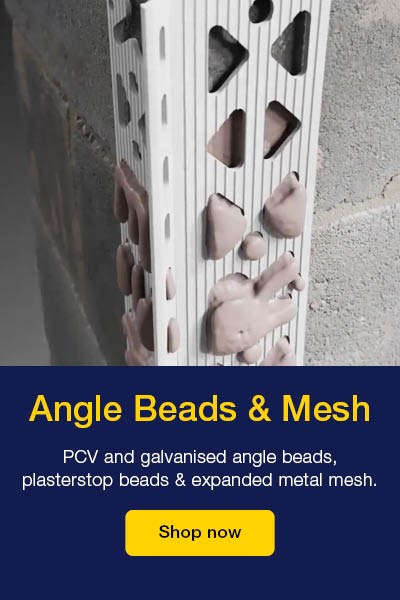
Many render systems are designed for use as part of broader wall‑finish solutions, including areas where Beads & Mesh provide edge definition, reinforcement and clean lines around openings. Products in this category may require a basecoat, mesh layer or primer depending on the substrate. Some mineral and silicone mixes offer improved vapour permeability, making them suitable for solid‑wall buildings where moisture movement needs to be maintained. Others, such as acrylic or monocouche blends, include additives that support good adhesion and consistent colour throughout the surface.
These materials are often applied by hand or with spray equipment and can be used alongside Timber Cladding when combining mixed‑material facades. Many products meet modern building standards relating to weather protection and surface stability, and their compatibility with common masonry types makes them a practical choice for exterior upgrades. Benefits include straightforward application, long‑lasting finishes, and the flexibility to choose textures and colours that support the surrounding façade elements.
Render FAQ's
Certain mineral mixes dry faster and can be applied in cooler conditions, but most products need stable temperatures and dry weather to cure properly. Always check the manufacturer’s temperature and curing guidance.
A trowel, mixing bucket, straightedge and suitable float are the most common tools. Some products can also be spray‑applied, which speeds up coverage on larger wall areas.
Modern silicone and acrylic options may require minimal upkeep, while traditional cement‑based systems may need repainting over time. Longevity depends on exposure, substrate condition and correct installation.
Thickness varies by system, but many silicone and acrylic coats are applied in thin layers of around 1–3mm, while traditional cement or monocouche systems may require thicker applications. Always follow the product’s guidance to maintain strength and prevent cracking.