




Fence paint gives a solid, opaque colour finish that sits on the surface of the wood. Wood preservative is a treatment that soaks into the timber and protects it against rot, mould, algae, and insect attack. The two products work differently and are often used together: a preservative is applied first as a base coat, then a paint or stain on top for colour and added weather resistance. If you only use paint without a preservative, the timber underneath is still vulnerable to decay over time.
Decking Stain, Fence Paint & Wood Preservative Treatments
Outdoor timber takes a battering from the Northern Ireland climate. Rain, frost, UV and wind all gradually break down unprotected wood, leading to greying, rot, and structural failure. MacBlair stocks a focused range of wood care products covering the four key jobs: staining decking, painting fences, applying preservative, and using the right brush to do it properly.
The range covers four main product types:
- Decking stain to colour and protect timber boards, available in clear and tinted finishes that enhance the natural grain without peeling or flaking
- Wood preservative treatment to guard against rot, mould, algae, and insect attack — suitable as a base coat before applying a top-coat finish
- Fence paint in a range of colours for a solid, opaque finish on panels, posts, and other garden timber structures
- Fence brushes sized and shaped for fast, even coverage on rough-sawn fencing and boards
Getting the sequence right matters. Wood should be clean and fully dry before any treatment goes on — moisture trapped under a coat will cause adhesion problems and uneven results. A preservative applied first provides the base-level defence, and a stain or paint on top locks in colour and adds weather resistance. If the fence or deck is new timber, allow it a few weeks after installation before treating so moisture content can settle.
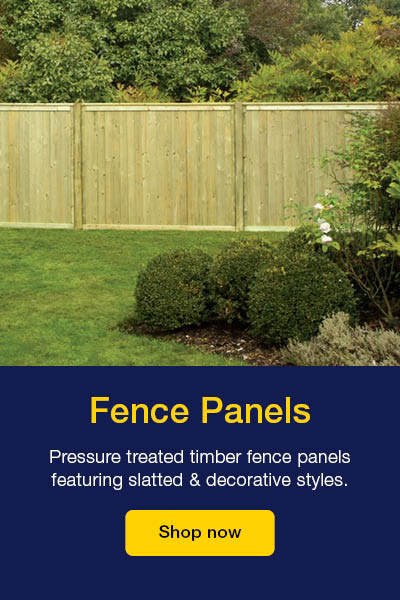
MacBlair stocks timber and composite decking alongside wood care, so everything needed for a decking project is in one place. For those putting up new fencing first, the fence panels range includes options that may benefit from an additional treatment coat on top of any factory pre-treatment.
Wood Care FAQ's
Decking stains and decking oils are closely related products. Stains are typically pigmented and add colour while penetrating the wood grain. Oils can be clear or tinted and nourish the timber, keeping it supple and water-resistant. Both penetrate rather than form a surface film, which means they do not crack, peel, or flake the way paint can. The choice largely comes down to the finish you want: a clear or lightly tinted oil preserves the natural look, while a stain gives a richer, more defined colour.
Yes. Decking stains are suitable for use on garden fence panels and posts. Because they are formulated to withstand foot traffic and pooled water on horizontal surfaces, they tend to be particularly durable when used on vertical fencing too. Apply to clean, dry timber for best results. Check the product label to confirm suitability for your specific fence material.
The timber must be clean and fully dry before any treatment is applied. Remove dirt, cobwebs, and loose debris first. If mould or algae is present, treat those areas before proceeding as pressure washing alone can spread spores. Once clean, allow at least 48 hours of dry weather before applying any stain, paint, or preservative. Trapping moisture under a coat causes poor adhesion and patchy coverage. For new timber, wait several weeks after installation to allow the wood to dry and settle before treating.
There is no fixed interval that applies to all situations. Exposure, aspect, the type of product used, and local weather conditions all affect how long a treatment lasts. As a general rule, fence paint may last around two to five years depending on product and conditions, while penetrating stains and oils typically need refreshing every one to three years. Check periodically: if water no longer beads on the surface, or the wood looks grey and dry, it is time to recoat. Oil-based finishes in particular are easy to maintain as they simply need a fresh coat on a clean, dry surface without stripping.