




For most timber garden gates, tee hinges (T-hinges) are the standard choice. They are surface-mounted directly onto the face of the gate and the timber post, making them quick to fit without specialist tools. For heavier timber gates, hook and band hinges provide better load distribution, with the band bolting through the gate rail rather than just screwing onto the face. If you are fitting gates to posts that are slightly out of plumb, adjustable hinges allow you to correct the alignment after the gate is hung.
Gate Hinge Types for Timber and Metal Gates
MacBlair stocks a solid range of gate hinges to suit timber and metal gates of all sizes, from lightweight garden wicket gates to heavier driveway and field gate installations. The range covers the most common hinge types used in domestic and trade fencing projects, giving you the right fitting regardless of gate weight or post material.
The main hinge types available include:
- Tee hinges (T-hinges): surface-mounted onto the gate face and post, suited to lighter timber gates and shed doors
- Hook and band hinges: the hook fixes to the post and the band bolts across the gate rail, offering greater load-bearing capacity for heavier gates
- Adjustable hinges: allow lateral and vertical adjustment after fitting, particularly useful on uneven ground or where posts are not perfectly plumb
- Galvanised versions: protective zinc coating makes them suitable for permanent outdoor use without significant corrosion over time
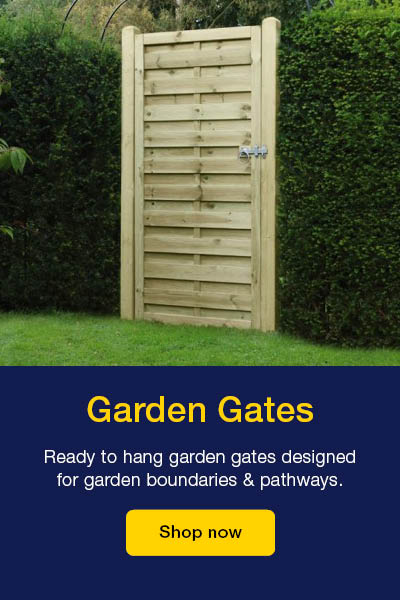
Hinge selection comes down to gate weight, gate width, and the material of the post or wall it fixes to. As a rule, position hinges approximately 150mm from the top and bottom of the gate. Heavier gates — over around 40kg or spanning more than 1.2m wide — typically need a third central hinge to prevent sagging over time. For gates fixing to masonry rather than timber posts, check that fixings supplied are appropriate for the substrate, or pick up suitable Fixings and Anchors separately. If the gate itself is still needed, the Garden Gates section has a selection to go alongside.
Gate hinges work as part of a wider set of fittings. Once the gate is hung, Latches and Gate Fittings handle closure, and Padbolts add a lockable option for side access or security gates. For new fencing builds, the full range of Fence Posts and other fencing components is available across the fencing category.
Gate Hinges FAQ's
Most small to medium garden gates are hung on two hinges, positioned approximately 150mm from the top and bottom of the gate. Heavier or wider gates, typically those over around 40kg or spanning more than 1.2m, benefit from a third hinge fitted centrally between the other two. The third hinge reduces the risk of the gate sagging or twisting over time, particularly important on gates that are used frequently.
A tee hinge is a one-piece surface-mounted hinge shaped like a letter T. It screws directly onto the gate face and post and suits lighter gates and shed doors. A hook and band hinge is a two-part system: the hook pins into a post or wall bracket, and the band is a long strap that bolts across the gate rail. Hook and band hinges carry significantly more weight and are the better option for field gates, driveway gates, and any gate subject to heavy or regular use.
Yes. For any permanent outdoor installation, galvanised hinges are strongly recommended. The zinc coating provides a barrier against rust and corrosion, which matters in the wet and variable climate of Northern Ireland. Black powder-coated or epoxy-coated hinges are also corrosion-resistant and are a popular choice where appearance is important, such as on a front garden gate. Standard uncoated steel hinges will corrode quickly in exposed conditions and are best avoided for outdoor use.
Sagging is most often caused by using undersized hinges for the weight of the gate, or by hinge screws working loose in the post over time. Fitting a third hinge centrally on heavier gates reduces the load on each fixing point. Use the correct screw or bolt size for the hinge, and always drill pilot holes in timber to avoid splitting. Periodically check that fixings are tight and apply a light oil or lubricant to the hinge knuckle every six months or so to keep movement smooth and reduce wear.