




For a standard chicken run, a 25mm hexagonal galvanised mesh is the most commonly used option. It keeps chickens in and stops most predators getting through. If foxes are a concern, a heavier gauge wire is worth considering, as lighter mesh can be forced or chewed through over time. The height of the run matters too — 900mm to 1200mm is typical for most breeds, with the bottom edge either buried or turned outward at ground level to deter digging.
Galvanised Wire Netting for Garden, Animal and Boundary Use
MacBlair stocks a practical range of wire netting to suit garden, agricultural and boundary applications. Galvanised hexagonal mesh is the go-to option for most jobs, offering good corrosion resistance thanks to its zinc coating, which keeps the wire usable above and below ground without rusting out. PVC-coated green wire is also available for situations where the netting needs to blend into planting or sit against a trellis or planted border.
The range covers a variety of mesh sizes, wire gauges and roll lengths to match different jobs. Tighter mesh suits smaller animals and fine exclusion work, while larger apertures are better suited to plant support or light boundary marking. Common uses include:
- Chicken runs, poultry coops and rabbit enclosures
- Vegetable patch and crop protection from pests
- Support for climbing plants such as peas, beans and clematis
- Light-duty garden boundary and allotment fencing
- Compost bin construction and pond protection
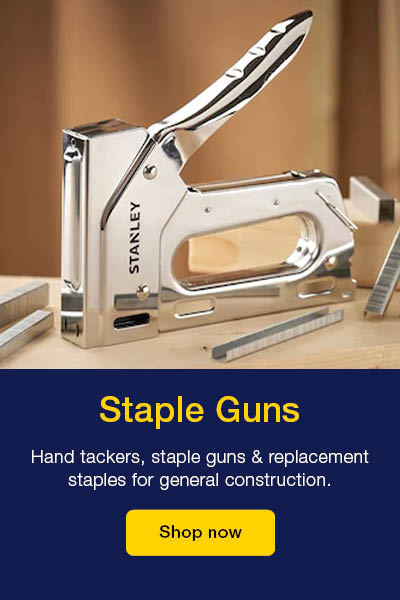
Installation is a manageable DIY task. Posts should be spaced roughly 2 to 2.5 metres apart, with the mesh secured using staples or cable ties at intervals of around 15cm. For runs where burrowing animals are a concern, burying the bottom edge of the netting outward at ground level adds a useful deterrent. Pair the netting with fence posts and fix in place using Postcrete for a solid, lasting result.
Wire netting can be cut to size on site using wire cutters for standard gauges, or bolt cutters for heavier wire. Always fold cut edges back or cover with trim to avoid sharp ends. For larger boundary projects, browse the full fencing range at MacBlair to find posts, rails, fixings and post supports alongside the netting.
Wire Netting FAQ's
Galvanised wire netting has a zinc coating applied to the steel, which protects it from rust and makes it suitable for use outdoors, underground and in damp conditions. PVC-coated netting has an additional plastic layer over the galvanised wire, usually in green. This makes it more visually discreet in garden settings and gives a slightly softer finish that is less likely to snag. Both types are durable for outdoor use — PVC-coated tends to suit borders and plant supports where appearance matters, while plain galvanised is the standard choice for animal enclosures and agricultural fencing.
Yes. A 25mm or 31mm hexagonal mesh works well for rabbit exclusion, as the gaps are too small for them to squeeze through. The critical part is the installation — rabbits dig, so the bottom of the netting needs to be buried at least 150mm to 300mm into the ground, or turned outward horizontally at ground level for around 300mm. This stops them burrowing underneath. Securing the netting tightly to posts with no gaps at ground level is just as important as the mesh size itself.
Standard gauge wire netting (around 0.9mm to 1.2mm wire diameter) can be cut cleanly using a pair of wire cutters or sharp tin snips. Work along the line of the hexagons rather than across them for a neater edge. For heavier gauge mesh, bolt cutters give a cleaner cut with less effort. After cutting, fold any sharp protruding ends back on themselves or cover the edge with plastic trim, particularly if children or animals will be nearby. Always wear protective gloves when handling cut wire netting.
For most garden and light agricultural applications, posts spaced 2 to 2.5 metres apart is the standard approach. Closer spacing, around 1.5 metres, gives a tighter, more rigid result and is worth doing if the netting will face pressure from animals or needs to stay taut on uneven ground. Corner and end posts should always be set more firmly than intermediate posts — concreting these in gives a more stable line overall. Intermediate posts can be driven in or concreted depending on the soil type and how permanent the installation needs to be.