




Follow UK utility colour coding: red (electricity), blue (water), yellow (gas), orange (street lighting/signals), and purple/grey (telecoms/fibre). Always check the adopting utility’s spec before ordering.
Underground utility ducting: colours, sizes and compliance
Underground ducting covers a range of protective conduits for routing services below ground, including electricity, water, telecoms and data, gas, and lighting/control cables. Typical options include twinwall HDPE coils for strength on longer runs and uPVC rigid lengths with socketed ends for straight lines and easy joining; common diameters run from 32–63mm for lighter feeds up to 110–160mm for higher capacity routes, with matching long‑radius bends and couplers available.
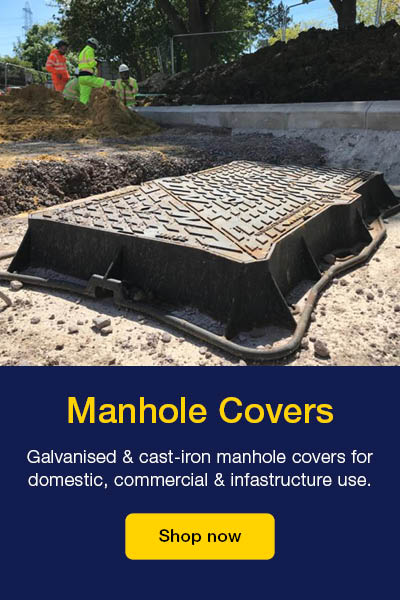
Designed for reliability and clear identification, underground ducting is colour coded to UK guidance (for example: orange for street lighting, red for electricity, blue for water, yellow for gas, and purple/grey for telecoms), helping reduce strike risk and streamline maintenance. Many electric cable ducts are specified to BS EN 61386 with reference to ENATS 12‑24 classes; compatible accessories such as draw rope, marker tape and Manhole Covers & Grates support future upgrades and inspections. This category helps bring those elements together so installations remain traceable, serviceable and compliant.
In practice, underground ducting is laid in prepared trenches with sand/pea shingle bedding, gentle sweeps rather than tight bends, and warning tape positioned above the run; many UK specifications reference depth bands that increase in trafficked areas, with minimums for footways and service strips, and a draw rope left in place for pulling through. Pairing duct routes with Warning & Marker Tape and coordinating with Underground Drainage components around chambers and covers helps keep service corridors organised and easier to maintain.
Underground Ducting FAQ's
Smaller feeds often use 32–63mm; higher capacity or multi cable routes typically use 110–160mm. Twinwall HDPE offers added stiffness under drives and roads; uPVC rigid lengths (commonly supplied in 6m with sockets) suit straight runs and precise alignment. Match bends and couplers to the system.
Depths depend on location and utility requirements; as a guide, UK specifications use shallower bands in footways/service strips and deeper in carriageways. Use a compacted, stone free bedding, keep bends gradual (limit tight 90° changes), install a draw rope, and place warning tape roughly 75–125mm above the duct.
Yes, provide accessible chambers at changes of direction and intervals to aid pulling, inspection and future works, and leave a draw rope in every duct run.
Electric cable ducts are commonly manufactured to BS EN 61386; network operators may specify ENATS 12‑24 classes for voltage levels. Always verify the class and colour with the adopting DNO or client.