




Current building regulations recommend a minimum depth of 270mm for glass mineral wool in a standard cold roof. If your existing layer is older and only 100mm thick, adding a 170mm top-up roll across the joists will bring it up to standard and help reduce heat loss.
Mineral Wool Loft Insulation Rolls
Our range of loft insulation features glass mineral wool rolls designed to significantly reduce heat loss through the roof space. These thermal barriers are frequently installed between and over attic joists, creating a blanket effect that retains warmth during winter and regulates temperatures in the summer months. Upgrading your roof space to the widely recommended 270mm depth helps meet modern building regulations while cutting down on energy usage. To safely enter your attic space and move these bulky rolls before laying them down, installing robust Loft Ladders ensures you can access the area easily and complete the job without difficulty.
Laying mineral wool correctly requires attention to joist spacing and airflow. Many of these rolls are supplied partially perforated, allowing them to be quickly snapped or cut to match standard 400mm or 600mm joist centres. Because compressing this material reduces its thermal effectiveness, creating a storage area requires raising the floor level above the insulation depth. Securing structural Treated Timber battens across the existing joists provides a sturdy, elevated frame that protects the thermal properties of the wool underneath while maintaining vital airflow to prevent condensation build-up.
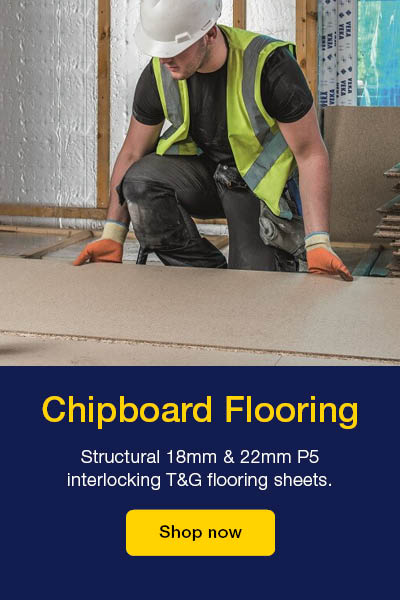
Adding thick layers of insulation to an attic is a straightforward process that provides immediate improvements in temperature control. Modern glass mineral wool products offer better handling and faster installation, emitting less dust than older alternatives. Once the rolls are securely rolled out across the elevated timber battens, the space can be properly finished for storage. Laying standard Chipboard Flooring over the raised framework creates a clean, usable platform that keeps your belongings secure without compromising the effectiveness of the insulation blanket below.
Loft Insulation FAQ's
Yes, you can safely lay new rolls over existing material as long as the old layer is dry and in reasonable condition. It is best to lay the new top-up roll at a right angle to the old one, bridging the joists to minimise cold spots and draughts.
Compressing mineral wool ruins its thermal properties and reduces effectiveness. To board the space correctly, use raised loft legs or timber battens attached to your joists to create an elevated platform. This allows the full 270mm depth to sit uncompressed underneath the floorboards while maintaining crucial airflow.
Fibreglass and mineral wool can irritate the skin and lungs. You should wear a disposable FFP3 dust mask, safety goggles, gloves, and a long-sleeved top to prevent itching and respiratory irritation during the installation process.
It is vital to leave a gap at the eaves to allow fresh air to circulate through the roof space. Pushing the material right to the edge blocks the soffit vents, which stops airflow and often leads to severe condensation and damp issues on the roof timbers.