




It is recommended to wait at least 8 to 12 weeks before sealing new paving. This allows efflorescence, which is a natural white salt deposit, to escape from the mortar and stones. Sealing too early can trap these salts under the surface and cause a cloudy appearance.
Protecting and Maintaining Outdoor Paving with Patio Seal
Patio sealers offer a protective layer over outdoor surfaces to prevent water
ingress, weed growth, and staining from organic matter or oils. These liquid
treatments are suitable for applying to newly laid
paving
once they have settled, providing a clear barrier that resists weathering and UV
degradation. Water-based and solvent-based options accommodate different
porosity levels in natural stone and concrete, ensuring moisture escapes while
blocking surface penetration.
Before sealing a surface, removing dirt, algae, and existing stains with dedicated patio cleaners ensures the treatment adheres properly to the substrate. Once the area is clean and dry, sealers can be applied using a roller or sprayer, filling the microscopic pores of the paving material. When treating a driveway or path, sealing helps to lock in the jointing compound between blocks, reducing sand loss from rain and preventing weeds from taking root in the gaps.
Most sealers are made with acrylic or polyurethane resins, offering varying finishes from matte to gloss. Standard application requires an ambient temperature above 5°C and a dry window of at least 24 hours to cure correctly. Using these treatments extends the lifespan of outdoor block paving, making routine maintenance simpler by creating a surface that repels dirt and resists frost damage during the colder months. Available in standard sizes like 5L and 25L, coverage rates vary depending on the substrate's porosity.
Before sealing a surface, removing dirt, algae, and existing stains with dedicated patio cleaners ensures the treatment adheres properly to the substrate. Once the area is clean and dry, sealers can be applied using a roller or sprayer, filling the microscopic pores of the paving material. When treating a driveway or path, sealing helps to lock in the jointing compound between blocks, reducing sand loss from rain and preventing weeds from taking root in the gaps.
Most sealers are made with acrylic or polyurethane resins, offering varying finishes from matte to gloss. Standard application requires an ambient temperature above 5°C and a dry window of at least 24 hours to cure correctly. Using these treatments extends the lifespan of outdoor block paving, making routine maintenance simpler by creating a surface that repels dirt and resists frost damage during the colder months. Available in standard sizes like 5L and 25L, coverage rates vary depending on the substrate's porosity.
Patio Sealer FAQ's
Yes, the surface must be completely clean and dry before application. Any dirt, algae, or old stains trapped under the sealer will become permanent. Use a dedicated cleaner and a stiff brush, then rinse thoroughly and allow the paving to dry completely for a few days.
You need a completely dry surface before starting and a clear weather window of at least 24 hours after application. Rain hitting wet sealer can cause the finish to turn milky and prevent it from adhering correctly to the stone or concrete.
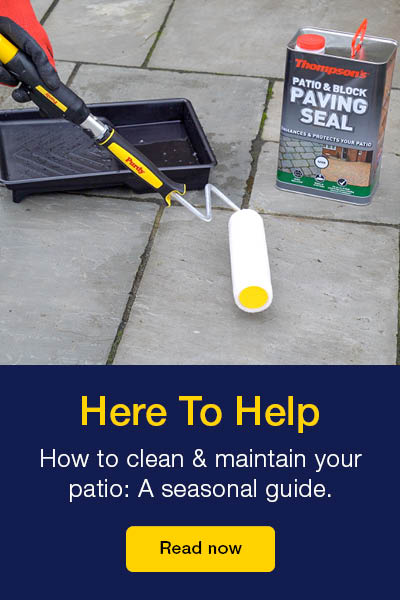
Most liquid sealers are applied using a long-handled roller or a low-pressure garden sprayer. A roller provides even coverage on flat surfaces, while a sprayer is useful for rough textures. Always apply in thin, even coats to avoid pooling.
A sealer helps prevent weeds by hardening the sand in the joints and creating an inhospitable surface for seeds to take root. While it greatly reduces weed growth, occasional maintenance is still required to remove debris where airborne seeds might settle.