




For standard cavity walls where both leaves are 90mm or thicker, you will generally need 2.5 ties per square metre. This typically involves spacing them at 900mm horizontally and 450mm vertically in a staggered diamond pattern.
Essential Cavity Wall Ties for Masonry Construction
Wall ties form a vital part of masonry construction by securely linking the internal and external leaves of a cavity wall. These metal connectors span the gap between the two structural layers to ensure overall stability while preventing moisture from crossing the cavity. Designed to accommodate natural building movement and resist wind loads, they come in various profiles to suit different cavity widths and structural requirements. When laying a traditional masonry wall with concrete blocks for the inner leaf and standard facing bricks on the outside, placing these connectors at regular intervals ensures structural integrity across the entire facade.
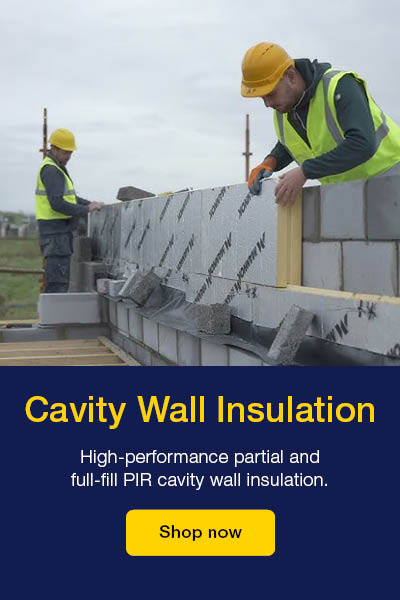
The standard application involves embedding the ends of the ties directly into the joints as the wall is built up. Typically made from corrosion-resistant stainless steel to meet relevant building regulations, they provide a long-lasting connection that stands up to damp conditions within the wall space. When installing cavity insulation, retaining clips are often fitted directly onto the tie to hold the insulating panels firmly against the inner leaf, leaving a clear air gap to prevent dampness from bridging the walls. You can seamlessly integrate these ties as you mix and lay your mortar, ensuring each unit is firmly anchored with at least 50mm of embedment on either side.
Working with these masonry ties offers significant practical benefits during the building process, such as straightforward installation and proven compliance with current building codes. Their versatility allows them to be used across various cavity sizes and wall types, keeping the structural leaves moving safely as one cohesive unit. Using ties with built-in drip features directs any condensation or rainwater down into the cavity rather than letting it reach the interior wall. This straightforward approach secures the outer facade against the elements and keeps the structural framework protected for the lifetime of the property.
Wall Ties FAQ's
A wall tie must be embedded by at least 50mm into each masonry leaf to ensure a secure hold. It is important to select the correct tie length based on your overall cavity width to easily achieve this required embedment on both sides.
You should place the tie completely level or with a slight downward slope towards the outer wall. This positioning, combined with the built-in drip feature placed centrally within the cavity, stops rainwater from travelling across the tie to the internal wall.
Standard masonry ties do not require specialist tools for installation, as they are simply pressed directly into the fresh mortar bed during the bricklaying process. You will only need your standard brick trowel to lay the mortar and a tape measure to ensure correct spacing.
Yes, many standard ties are designed to work alongside insulation retaining clips. Once the tie is set in the mortar and the insulation board is placed against the inner wall, a plastic clip is pushed firmly over the tie to secure the board and maintain a clear cavity space.