




A 1200 gauge (300 micron) membrane is commonly used for standard domestic floor construction as it provides sufficient resistance to moisture and puncture. Heavier gauges may be specified where ground conditions are more demanding.
Choosing the Right Damp Proof Membrane for Building Projects
Damp proof membranes are designed to prevent ground moisture from passing into buildings, helping protect floors, finishes and structural elements from damp related damage. Typically supplied as heavy duty polythene sheeting in rolls, these membranes are installed beneath concrete slabs, screeds and floor constructions to form a continuous moisture barrier. Common thicknesses such as 1000 or 1200 gauge (around 250–300 micron) provide reliable resistance to water vapour and are widely used in new builds, extensions and renovation work where ground-bearing floors are present. When installed correctly, the membrane helps reduce the risk of mould growth, floor covering failure and long term moisture issues within the building fabric.
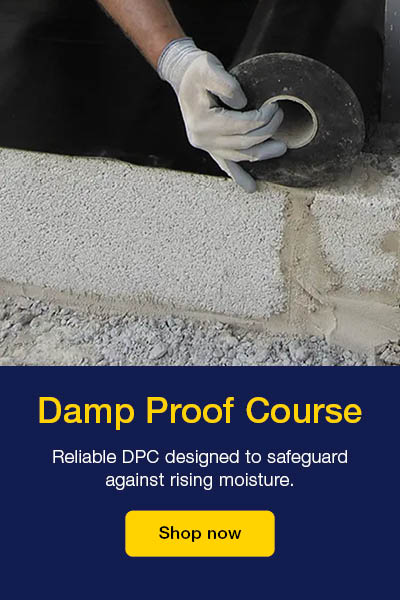
In most applications, damp proof membranes are laid over prepared hardcore and sand blinding before concrete is poured, often linking with a damp proof course within surrounding walls to create an uninterrupted barrier. They are frequently used alongside Insulation Boards within floor build-ups, acting as either a vapour barrier above insulation or a slip membrane between layers of screed. Accurate sealing around service penetrations and overlaps is essential, which is why installation often incorporates tapes and accessories found within Damp Proofing systems to maintain watertight joints and continuity across the structure.
These membranes are also used in garages, outbuildings and ground floor refurbishments where moisture control is required before installing finishes such as timber, laminate or tiled surfaces. In projects involving concrete placement, products from the Cement range work together with the membrane to ensure the slab cures properly while limiting moisture migration from below. Manufactured from durable polythene that resists tearing, chemicals and ageing within the ground, many membranes comply with recognised standards such as BS 6515 or Irish Building Regulations Technical Guidance Document C, helping ensure compliance with modern construction requirements.
Correct installation offers practical benefits beyond moisture protection. Flexible sheets are easy to cut and position on site, wide roll formats reduce jointing, and clear gauge ratings make it easier to select the appropriate thickness for different floor loads or site conditions. When properly overlapped and taped, membranes provide a dependable barrier that supports the longevity of flooring systems while helping maintain a dry internal environment.
Damp Proof Membrane FAQ's
Sheets are typically overlapped by at least 150mm and sealed with jointing tape to maintain a continuous waterproof layer and prevent moisture tracking through gaps.
Yes, the membrane is normally turned up at the edges to overlap with the wall damp proof course, creating a continuous barrier that stops moisture rising through floors and walls.
Yes, depending on the floor design it can act as a vapour control layer above insulation or beneath it. The correct position should follow the floor specification and building guidance.
Any tears or punctures should be repaired using suitable sealing tape or patches before concrete is poured, as even small openings can allow moisture to pass through over time.