




To ensure a stable and long-lasting patio, start by digging out the area to a depth of roughly 150mm. Lay a compacted sub-base of crushed stone, usually around 100mm thick. Apply a layer of sharp sand over the top, level it out with a screed board, and compact it again before laying your slabs.
Durable Paving Supplies for Patios, Paths and Driveways
Paving includes a comprehensive selection of concrete flags, block paving, and natural stone slabs designed to surface outdoor spaces. These materials are frequently chosen to lay patios, pathways, and driveways, providing a durable and level foundation. Paving units are available in varying dimensions, such as 600x600mm , with thicknesses typically ranging from 40mm to 60mm depending on the required load-bearing capacity. Many of these flags and blocks feature textured surfaces or chamfered edges, offering slip resistance while complying with standard BS 7533 guidelines for correct sub-base design and installation.
When preparing a site for a new driveway or patio terrace, establishing a solid ground layer is an essential first step. Placing a reliable weed control membrane beneath the sub-base stops unwanted growth from emerging through the finished surface, significantly reducing ongoing maintenance. Once the sub-base is compacted, standard practice involves laying the blocks or slabs on a screeded bed of sharp sand. Mixing sand and cement is necessary to create a firm mortar bed for specific types of paving or when securing edge restraints along a pathway, ensuring the layout remains rigid over time and resists shifting under vehicular traffic.
The versatility of concrete block paving and granite aggregate slabs allows for multiple laying patterns, from a traditional stretcher bond to a more complex herringbone, depending on the required structural stability. A notable benefit of modern paving is the straightforward installation process and long-term frost resistance. After the stones are laid, filling the gaps with a reliable jointing compound or kiln-dried sand prevents water ingress and locks the units tightly together. Adding a border of decorative aggregates around the paved area provides an attractive textural contrast and assists with ground drainage, giving a neat finish to the overall landscaping project.
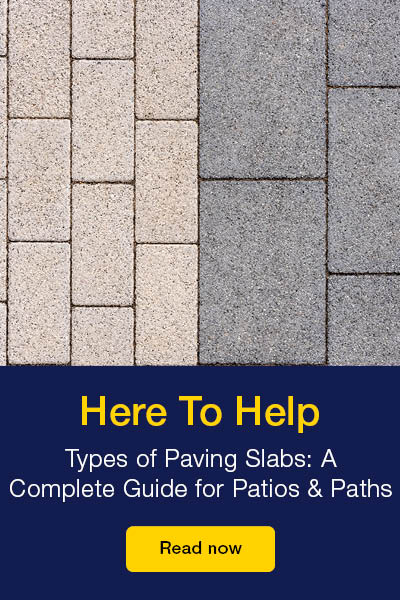
Paving FAQ's
Using a ready-mixed brush-in pointing product is often the easiest method for sealing the gaps between slabs. Simply wet the paving surface, sweep the mixture into the joints diagonally, and wash away any residue. Alternatively, a traditional mortar mix can be carefully trowelled into the gaps, ensuring no stains are left on the stone surface.
Yes, it is important to leave a small gap of between 2mm and 5mm when laying slabs to allow for slight natural movement and to provide space for your chosen jointing material. Many modern concrete blocks feature integrated spacer nibs on the edges, which automatically create the correct joint width as they are laid together.
Laying slabs directly onto soil or grass is not recommended because the ground will eventually settle and shift, leading to an uneven and potentially dangerous surface. A proper foundation consisting of a compacted sub-base and a sand or mortar laying course is necessary to keep the finished area flat and structurally secure.
You will need a spade and wheelbarrow for the initial ground excavation, alongside a heavy wacker plate to compact the stone sub-base. A spirit level, string line, and rubber mallet are essential for keeping the blocks straight and level during installation. A block splitter or a wet-cut concrete saw is also required to cut paving stones neatly at the edges of the driveway.