




For structural subframe posts, 100x100mm is the standard size used in most domestic deck builds. Newel posts for balustrades are typically 83x83mm or 90x90mm and come in set lengths, usually 1.2m, which can be trimmed to the height needed. Check the specification of your handrail system before ordering, as post sizing needs to match the rail and spindle profile.
Decking Posts for Subframes, Balustrades and Raised Decks
Decking posts serve two distinct jobs on a deck build: structural support within the subframe, and the upright anchors that carry handrails and spindles. MacBlair stocks both timber and concrete options, so the right post is available whatever the ground conditions or finish in mind. Pressure-treated timber posts, typically 100x100mm, are cut from C24 graded softwood and treated to resist rot and insect damage — making them well suited to the wet ground conditions common across Northern Ireland. Concrete deck posts offer an alternative where ground contact is unavoidable, since concrete will not rot and holds a level subframe reliably over the long term.
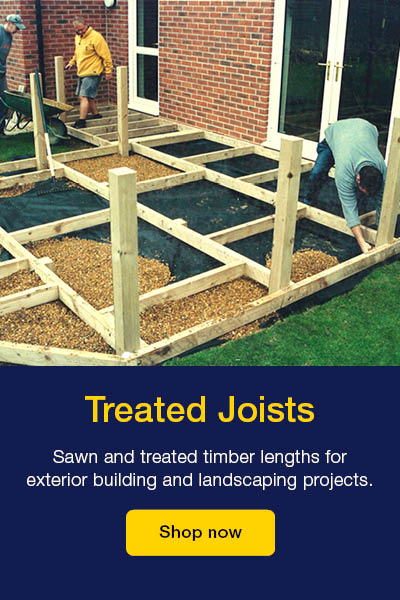
Newel posts are the taller uprights used in balustrade systems, pairing with decking handrail and decking spindles to create a finished, compliant edge to raised decks. These typically come in 1.2m lengths and are tanalised for durability. Structural subframe posts are installed vertically into the ground, set at roughly one-metre intervals to support joists before boards are fixed across. Posts can be cut to height on site with standard woodworking tools, which makes levelling across uneven or sloped ground far less involved than it might seem.
Common applications where decking posts are needed include:
- Raised deck subframes over uneven or sloped ground
- Balustrade systems on elevated decks, terraces and steps
- Ground-level decks over grass or soil where a level base is needed
- Pergolas and over-deck structures requiring a fixed upright
Timber posts sourced from FSC-certified suppliers meet responsible sourcing requirements, and pressure treatment using preservatives such as Tanalith E brings them in line with standards for in-ground use. Once the posts are in place, protect exposed timber with decking treatment or pick up a decking stain to colour and seal the finished structure. Browse the full decking range at MacBlair for boards, baserails and all associated components.
Decking Posts FAQ's
A decking post (or deck support post) is installed vertically into the ground as part of the subframe, holding up joists and boards. A newel post is the upright used in a balustrade system, fixed to the deck frame or fascia to support handrails and spindles along the perimeter of a raised deck. Both are sometimes called decking posts, so it is worth checking which type you need before purchasing.
Timber posts are the most common choice and work well for most projects, provided they are pressure-treated for ground contact. Concrete posts are worth considering where posts will sit in permanently damp ground or where long-term rot resistance is a priority. Concrete does not need treatment or replacement over time, making it a practical option for the subframe on a raised deck, even if timber is used elsewhere in the build.
A general rule is that at least one-third of the post length should be below ground. For a 1.8m post, that means a minimum of 600mm in the ground. The actual depth will depend on the height of the deck, soil type and local ground conditions. In loose or soft soil, going deeper adds stability. Posts can be set in postcrete for a firmer, quicker fix.
Any timber post going into or near the ground should be pressure-treated with a preservative rated for ground contact, such as Tanalith E. This guards against rot, fungal decay and insect attack. Even treated posts benefit from a coat of decking treatment or stain on cut ends and exposed surfaces, particularly after trimming to height on site. Untreated timber in ground contact will deteriorate quickly, especially in the damp climate of Northern Ireland.