



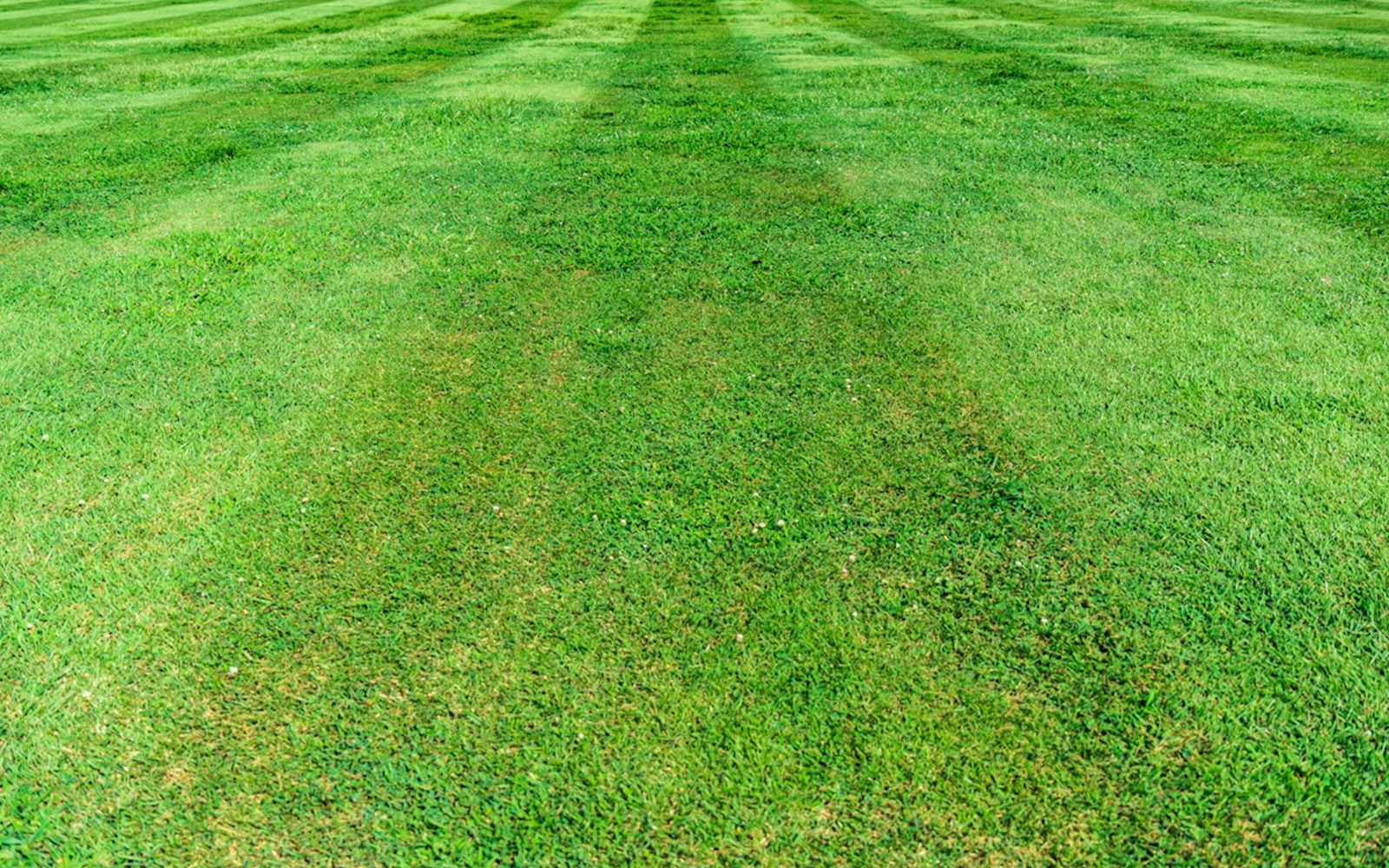
Artificial Grass vs Real Grass: Which Is Right for Your Garden?
Choosing between artificial grass and a real lawn is one of the bigger decisions you’ll make in a garden, and with the way Northern Ireland weather treats lawns, it’s a question we get asked all the time. A real lawn looks beautiful and feels right underfoot, but it also needs constant care. Artificial grass is low-maintenance and always green, but it isn’t cheap and isn’t for everyone. This guide compares the two side by side: appearance, cost, maintenance, durability, environmental impact, and how each performs in NI’s wet climate. By the end you’ll know which one fits your garden, your lifestyle and your budget.
The short answer
Real grass is the right choice if you have time to maintain it, want the best environmental option, and don’t mind a slightly patchy lawn through the worst of the NI winter. Artificial grass is the right choice for gardens that get heavy use, shaded plots where grass struggles, and homeowners who want a year-round green lawn with almost no maintenance.
At a Glance: Artificial Grass vs Real Grass
Here’s how the two stack up across the points that matter most to NI homeowners.
| Factor | Real Grass | Artificial Grass |
|---|---|---|
| Upfront cost | £3–£8 per m² (turf or seed) | £25–£70 per m² supplied |
| Lifespan | Indefinite with care | 15–20 years |
| Annual maintenance | Mowing, feeding, weeding, scarifying | Brush, rinse, occasional disinfectant |
| Looks all year | Patchy in winter / drought | Always green |
| Heavy foot traffic | Wears thin, muddy patches | Holds up extremely well |
| Pet friendly | Yellow patches from urine | Easy to rinse, no patches |
| Wet weather | Boggy, prone to moss | Drains through perforated backing |
| Best for | Larger lawns, wildlife gardens | Small lawns, family gardens, shaded plots |
Real Grass: Pros and Cons
A well-kept lawn is hard to beat. It cools the garden in summer, supports insects and birds, and gives kids and pets a soft, natural surface to play on. The catch is that getting it to look good, especially in NI, takes consistent work.
Pros
- Natural look and feel: Nothing matches the appearance of healthy turf, the smell of cut grass, or the way it changes with the seasons.
- Better for wildlife: A real lawn supports pollinators, worms and birds. Even better if you let some areas grow a little wild.
- Cooler in summer: Real grass absorbs heat. Artificial grass can become uncomfortably hot to touch on a sunny day, even in NI.
- Lower upfront cost: Seed and turf are cheap. The investment is in your time over the years rather than a big one-off bill.
- Permeable and natural drainage: Healthy turf absorbs rainwater and lets it soak into the ground.
Cons
- High maintenance: Mowing every 1–2 weeks in growing season, plus feeding, weeding, scarifying and aerating. Realistically, that’s 30–40 hours a year.
- Struggles in shade: Many NI gardens are partly shaded, and grass thins fast in low light. Patchy, mossy lawns are a constant battle.
- Wears under heavy use: Goalmouth-style bare patches develop quickly where kids or dogs play. Reseeding only works in growing season.
- Wet-weather problems: In NI’s climate, real lawns turn boggy in winter, attract moss, and need scarifying every spring. Heavy clay soil makes it worse.
- Equipment costs add up: Mower, strimmer, fertiliser, weed-and-feed, scarifier hire. Easily £200–£300 a year on top of your time.
Artificial Grass: Pros and Cons
Modern artificial grass is a long way from the bright green plastic mat your grandparents had. Today’s products use multiple pile heights and natural-looking blade colours that are convincing from a few feet away. It’s become a popular choice across NI for small urban gardens, family gardens with young kids, and shaded plots where real grass struggles.
Pros
- Looks green all year: No yellowing in summer drought, no bare patches in winter, no muddy spots in NI’s wet months.
- Almost no maintenance: A weekly brush, a rinse occasionally, and the odd pet-spot clean. That’s it, no mowing, weeding, feeding or scarifying.
- Hard-wearing: A good 30mm pile artificial grass will take heavy foot traffic from kids and dogs without showing it.
- Pet-friendly: Permeable backing lets urine drain through, and pet-spot disinfectant rinses keep odours under control. No yellow patches like real grass.
- Works in shade: North-facing or tree-shaded gardens are the ones where real grass struggles most and are exactly where artificial grass shines.
Cons
- Higher upfront cost: £25–£70 per m² for the grass itself, plus base materials and labour. A typical 40m² garden costs £2,500–£4,000 supplied and laid.
- Hot in direct sun: Even in NI, artificial grass in full sun can reach uncomfortable temperatures. A rinse with cold water cools it quickly.
- Doesn’t support wildlife: Artificial grass is sterile ground from a biodiversity perspective. Worth balancing with planted borders, a wildflower strip, or a pond.
- End-of-life waste: Most artificial grass currently isn’t recyclable in NI. After 15–20 years it goes to landfill, though recyclable products are starting to appear.
- Installation matters: Without proper base preparation, artificial grass dips, ripples and pools water. The base costs as much as the grass, don’t skimp.
Cost Compared: 10-Year View
Look beyond the day-one cost and the picture changes. Below is a rough 10-year cost comparison for a typical 40m² NI garden lawn.
| Item | Real Grass (10 yrs) | Artificial Grass (10 yrs) |
|---|---|---|
| Initial install | £250 (seed) – £400 (turf) | £3,000 supplied & laid |
| Mowing fuel/electric | £250 | £0 |
| Fertiliser & weed-and-feed | £200 | £0 |
| Reseeding worn patches | £150 | £0 |
| Replacement equipment | £300 | £0 |
| Time (40 hrs/yr × 10) | 400 hrs | <10 hrs |
| 10-year cash total | £1,150 – £1,300 | £3,000 |
Real grass wins on cash alone over a decade. Artificial grass wins on time. Whether the time saving is worth the price difference depends entirely on how much you enjoy looking after a lawn.
Which Is Right for Your Garden?
Use the prompts below to work out which option suits your situation.
Pick real grass if…
- You enjoy gardening and don’t mind the time mowing takes.
- Your garden gets reasonable sunlight and has decent drainage.
- Wildlife and biodiversity are important to you.
- You have a larger lawn where the cost of artificial would be prohibitive.
- Your soil is workable and not heavy clay.
Pick artificial grass if…
- Your garden is small, shaded, or both. Common in terraced and town centre NI homes.
- You have kids or dogs that wear out a real lawn faster than it can recover.
- You want a low-maintenance, always-green lawn.
- Your garden has poor drainage and turns to mud in winter.
- You want a usable lawn 12 months of the year, not just May to September.
Common Mistakes to Avoid
- Skimping on the base for artificial grass: A poor base ruins even the best grass. You need 50mm compacted Type 1 sub-base and 20–30mm of grano/sand layer.
- Choosing the cheapest pile: Sub-£15 per m² grass tends to look fake, mat down quickly and fade within 3–4 years. Aim for a 30–40mm pile from a reputable brand.
- Laying real turf without prep: Turf laid straight onto compacted clay or weedy ground will struggle. Rotavate, level and add a good topsoil dressing first.
- Not allowing for drainage: Both options need drainage in NI. For artificial, make sure water can drain through the base and away. For real grass, consider aerating annually.
- Forgetting wildlife: If you go artificial, leave space in borders for pollinator-friendly planting. A garden doesn’t have to be all one thing.
Frequently Asked Questions
A good quality 30–40mm pile artificial grass typically lasts 15–20 years in Northern Ireland’s climate. Cheaper products may need replacing within 8–10 years, particularly in heavily used areas.
Not directly. You need to remove the existing turf and prepare a compacted sub-base. Laying on top of grass causes lumps, drainage issues and an early failure of the surface.
Yes, modern artificial grass uses a perforated backing that drains at 50+ litres per minute per m². The bigger factor is the base as it needs to drain too. Compacted Type 1 sub-base does this well.
Yes. Over 10 years, real grass typically costs less in cash terms even when you include lawnmower running costs and fertiliser. The trade-off is your time.
Mid-range 30mm artificial grass is the most common new install in small to medium NI gardens, especially family gardens and shaded urban plots. Real lawns remain the default for larger rural gardens.
Get Your Lawn Materials from MacBlair
Whether you’re going artificial or improving your real lawn, MacBlair stocks everything you need: artificial grass and base materials, turf, lawn seed, topsoil, fertiliser, sharp sand, weed control and the tools for the job. Our team across our Northern Ireland branches can help you choose the right pile height, calculate base material quantities, and answer any questions before you start. Visit your nearest MacBlair branch or browse our landscaping range online at MacBlair.com.
→ Shop Artificial Grass & Lawn Care at MacBlair.com