



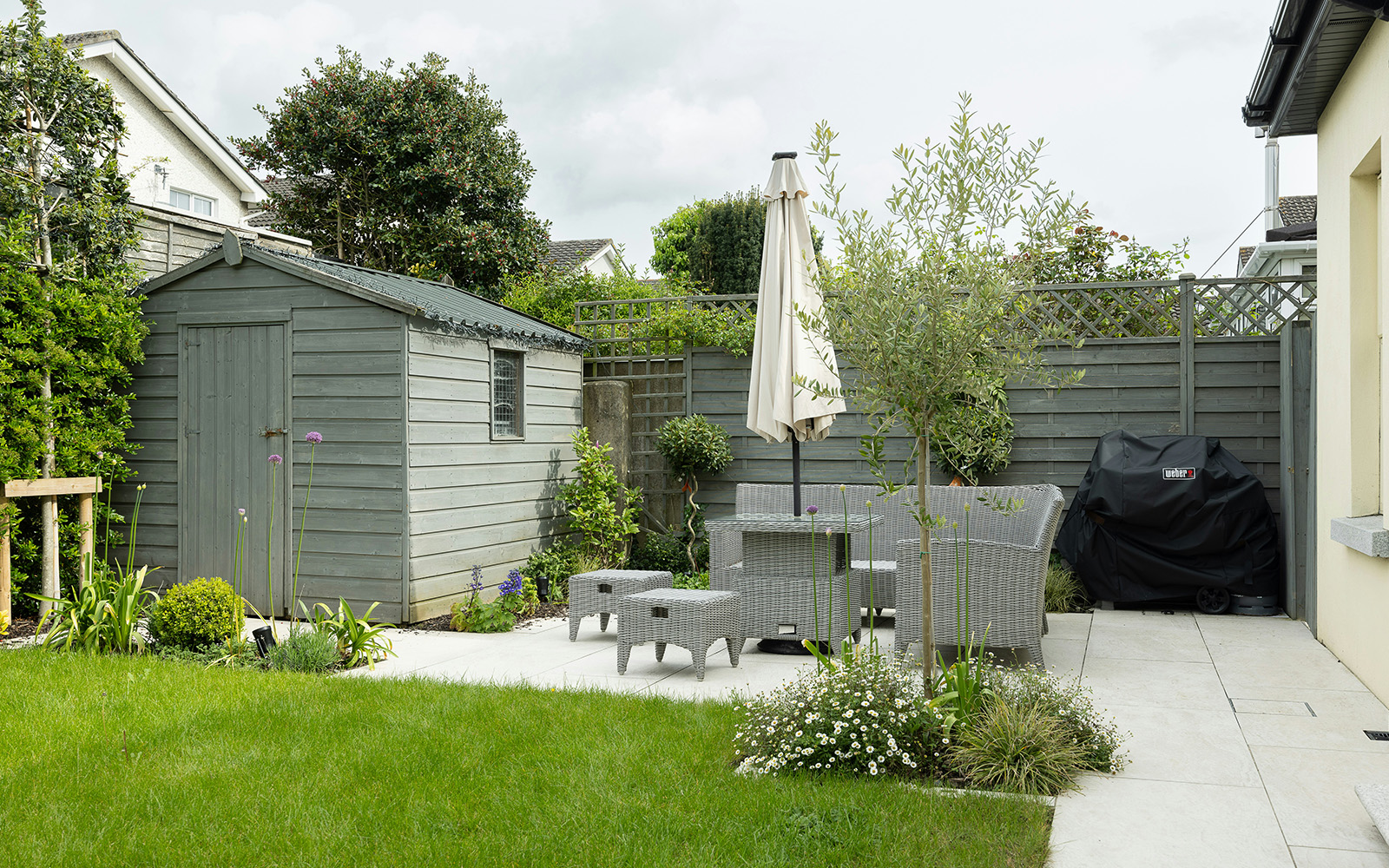
Low-Maintenance Garden Ideas: Materials and Design Tips for Busy Homeowners
A low maintenance garden isn’t about giving up on looking after the outside of your home. It’s about making sensible material and design choices upfront so you spend weekends enjoying the garden rather than weeding it. With NI’s wet climate working overtime on mossy lawns, mucky patios and overgrown borders, the case for low-maintenance design is even stronger here than most of the UK.
This guide pulls together ten ideas, materials and small design changes that genuinely reduce garden workload. Some are full garden rethinks; others are weekend jobs. Pick what fits.
The low-maintenance design principles
- Hard landscaping over lawn. Less mowing, less moss.
- Permanent planting over bedding. Less re-planting each season.
- One material per zone. Fewer joints, less weeding, faster cleaning.
- Mulch heavily. Locks in moisture, blocks weeds, looks tidy.
- Drainage first. Wet ground creates 80% of NI garden maintenance.
1. Replace Some Lawn with Patio or Gravel
A real lawn is the single biggest maintenance commitment in any garden. Mowing, feeding, scarifying, edging, weeding. Replacing 20–30% of lawn with patio, decking or gravel cuts maintenance dramatically without losing the green, open feel. Porcelain paving is the lowest maintenance hard surface (no sealing, easy to clean). Decorative gravel is the cheapest option.
2. Switch to Artificial Grass for Small or Shaded Areas
Where real grass struggles. Small urban gardens, north-facing plots, areas with kids or dogs. Artificial grass is the most-bang-for-your-buck low-maintenance switch. A weekly brush, an occasional rinse and you’re done. See our comparison guide for the full pros and cons before deciding.
3. Plant for Year-Round Structure
Bedding plants need replacing every season. Permanent evergreens and structural shrubs need pruning once a year. Build the bones of your garden from low effort permanent planting. Box, yew, choisya, viburnum, hebe, ornamental grasses. And add a few seasonal containers if you want colour bursts. The garden looks good every month and needs a fraction of the work.
4. Use Mulch on Every Border
A 50mm layer of bark mulch on every planted border does three jobs at once: stops weeds germinating, locks moisture into the soil, and gives the garden a clean, finished look. Top up annually each spring. Bark mulch is around £4-£6 per 60L bag and is one of the most cost-effective low maintenance upgrades you can make.
5. Permeable Paving for Driveways
A gravel or permeable block paving driveway needs less ongoing care than tarmac, drains well in NI rainfall, and avoids the planning permission requirements that apply to large impermeable surfaces. Gravel needs an occasional top-up; block paving needs sand jointing every few years. Either is far easier to maintain than tarmac with weeds creeping in at the edges.
6. Replace Wooden Fencing with Composite or Steel
Pressure-treated softwood fencing needs staining every 2–3 years and replacing every 10–15. Composite fencing (£90–£140 per panel) needs no annual treatment and lasts 25+ years. Powder-coated steel fencing has a similar lifespan with even less work. The upfront cost is higher; the lifetime cost lower and the weekend cost zero.
7. Install Built-In Planters Over Pots
Standalone pots dry out fast, blow over in NI winds and need constant watering and replanting. Built-in raised planters. Sleepers, walling stones or concrete blocks rendered to match the house. Hold soil moisture better, support permanent planting, and look more architectural. A row of three or four built-in planters around a patio is one of the highest-impact low-maintenance features you can add.
8. Choose Self-Cleaning Paving
Not all paving is equal when it comes to maintenance. Porcelain is virtually self-cleaning. Water beads off, algae doesn’t take hold, no sealing needed. Concrete and sandstone need annual cleaning and occasional sealing in NI. For a low-maintenance patio in our climate, porcelain is the clear winner even at a 20–40% price premium.
9. Reduce Edges and Curves
Every join between lawn and border needs edging. Every change of material is a maintenance touchpoint. A garden with three large, simple zones (patio, lawn, planting bed) is faster to look after than the same garden chopped into ten smaller features. Simplicity isn’t just easier on the eye. It’s easier on the back.
10. Add Garden Lighting Once, Enjoy It Forever
LED garden lighting is set-and-forget. Plug-in or solar units last 5–10 years with no maintenance other than a clean. Recessed deck lights, uplighters in borders and bollard lights along paths transform a low-maintenance garden into a usable evening space. Set on a timer or daylight sensor and the garden lights itself.
Low-Maintenance Materials Checklist
| Choose for low maintenance | Avoid if low maintenance matters |
|---|---|
|
|
Planting for a Low-Maintenance NI Garden
A few plant choices work especially well in Northern Ireland’s climate with minimal upkeep:
- Hebe ‘Red Edge’ or ‘Sutherlandii’: Compact evergreens, year round structure, flowers in summer, virtually maintenance-free in NI.
- Pittosporum: Wavy edged evergreen leaves, fast-growing, can be lightly pruned once a year. Tolerates wind and salt. Useful near coasts.
- Hydrangea paniculata: Large cone-shaped flowers, easy pruning regime (chop back hard once a year). Tolerates damp soils.
- Ornamental grasses (Stipa, Calamagrostis): Cut back once a year in late winter. Movement and texture year-round.
- Lavender (raised bed): Drought-tolerant once established, scented, attracts pollinators. Plant in free draining raised beds. Heavy NI clay rots it.
- Ferns and hostas (shaded): Both love NI’s damp shade. Mulch annually, water once a year. Done.
Common Mistakes Trying to Go Low Maintenance
- Paving over everything: Removes character and the cooling effect of plants. Aim for 50–70% hard landscaping, not 100%.
- Skipping the drainage: A waterlogged garden is the highest maintenance kind. Algae, moss, dying plants. Fix drainage first.
- Wrong plant choices: Box (blight in NI), lavender in clay, roses without protection. All create more work than they save.
- Cheap fencing: Saves money on day one, costs more in stain, repairs and replacement panels by year five.
- Forgetting access: Borders without a path running behind them mean you walk on plants to weed. Leave a 600mm access strip between the fence and any planting.
Frequently Asked Questions
Porcelain paving. No sealing, no algae growth, no staining. A weekly brush and an occasional rinse keeps it looking new for decades.
Yes. Particularly for small or shaded gardens. A weekly brush and an occasional disinfectant rinse for pets is all it needs. Read our artificial grass vs real grass comparison for the full picture.
Composite or powder-coated steel. Both last 25+ years with no staining, painting or annual treatment. Higher upfront cost but no lifetime work.
Yes. They let you control the soil completely, drain freely, and bring the plants up to a comfortable height for weeding and harvesting. Built-in beds with mulch top-up are the lowest-effort planting solution in NI.
A typical 40–60m² NI back garden makeover with porcelain patio, composite decking, gravel area and built-in planters lands around £6,000–£12,000 in materials. The trade-off is paying once for materials that last 25+ years versus paying yearly in time and consumables for a high-maintenance garden.
Plan Your Low Maintenance Garden With MacBlair
MacBlair stocks the materials that make a low-maintenance garden possible. Porcelain paving, composite decking and fencing, decorative gravel, sleepers and walling stones, mulches and topsoil. Bring your garden plan into your nearest NI branch and our team will help you build a list.